

How to Identify Genuine Leather Sofas
Real leather furniture is durable and timeless. It can be difficult to distinguish between genuine leather and "split", "bonded" or faux (fake leather) options.
If the edges are rough or uneven It is likely that the product is genuine leather. A bumpy underside and "fat wrinkles" are also indicators of genuine leather.
Top-grain
A leather sofa can last many years. If you keep it in good condition the way it should, a leather sofa could last as long as 3 textile sofas. If you don't, it will last only a few years before it begins to crack and peel. Use a leather preserver keep your furniture's leather soft and smooth.
Choose sofas made of full-grain, the highest quality leather. This type of leather isn't cleaned, and it will retain its original look. This makes it easier to match the color and texture of the leather to your current interior decor.
Full-grain leather is more expensive than top-grain, but it has numerous advantages over other kinds. It is more robust and can be dyed to a variety of colors. It is also breathable, which means it will keep you cool in summer and warm in winter. Full-grain is a good option for those suffering from allergies, since it does not trap dust mites and pet dander like upholstery fabric.
The top-grain leather is commonly used in leather sofas. It is sanded, buffed and polished to eliminate any imperfections. This process decreases the durability, but it gives the leather a uniform look and feel. genuine leather couches of leather is typically used in high-end leather products because it is softer and more affordable than full grain.
Before you purchase a leather sofa, you need to know the difference between top-grain and full-grain. While both kinds of leather are high-quality, full-grain is a more durable product than top-grain, which is less durable and can be damaged easily if not properly taken care of.
Full-grain
A leather sofa adds style to any space. It can be outfitted with throws and accent pillows to add some color or kept simple for a more understated look. However, the kind of leather used create the sofa will determine its design and durability. A high-quality leather will not only last for a long time but also more attractive as it is used. Full-grain leather is best because it preserves the natural texture and marks of the original hide and is also breathable. It also develops over time a deep patina that is highly desired by those who love leather.
The difference between full-grain and top grain leather is that the former is buffed and sanded in order to remove imperfections. The sanding, buffing and cracking of leather is also decreased by the process. The tanning process may also be harmful to the environment. The chrome-free process is available for those who wish to minimize their impact.
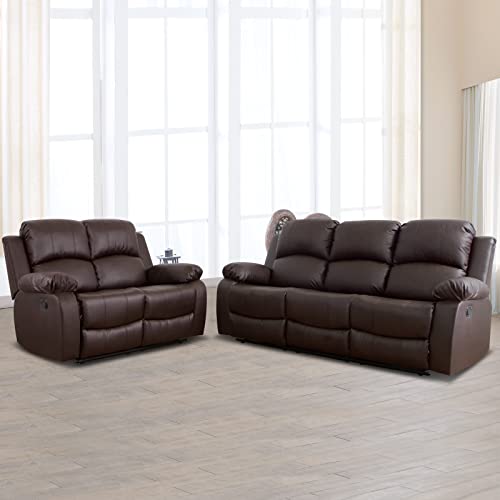
Full-grain is more expensive, but is also more robust and resistant to wear. It is also easier to maintain, as it requires only an occasional cleaning with an easy-to-clean cloth. It is a great option for those who wish to avoid the hassle of sofas made of fabric, but aren't willing to pay the extra cash for an expensive leather item.
When you are shopping for a leather sofa you may find it harder to find a fully grain model than one with a top grain. You might want to visit an establishment to inspect the sofa and check its durability. In addition, you can ask about the tanning process and how it affects the leather.
Selecting the right color for your leather sofa is an important factor to take into consideration. Colors like dark navy or tan butterscotch may seem outdated, but they go well with a variety of styles. The shape and height are also important factors to consider. Sofas with tapered or thin legs will appear modern, whereas those that have turned or spindle feet are suitable for a traditional interior design.
Semi-aniline
When visitors visit our showroom, they often have a variety of questions. They may be looking for information on the types of leather we carry or they may need help understanding industry jargon. This is especially true for those planning to purchase a leather couch. Leather is a well-known upholstery material for commercial and residential properties however, many people aren't familiar with the different types of finishes used to make these items.
The most frequent question we receive is What is the difference between aniline and semi-aniline leather? Both are top grain leather, however, they have a few important distinctions. Aniline leather is soft and offers a more natural look, but is also more brittle. This kind of leather is prone to fade from exposure to sunlight and can be stained by spilled liquids. It can also dry out and crack over time if it is not properly taken care of. Due to its fragility aniline leather requires an extremely high level of care.
Semi-aniline leather, on the other hand is treated with a fine surface coating for better durability. This treatment aids in preventing the leather from fading and staining and makes it more tolerant to everyday use. This finish also helps to keep its natural appearance and softness.
While it doesn't have the unmatched natural look and softness of full aniline grain semi-aniline leather is stunning. Many families opt to purchase leather sofas with this style because it provides an equal amount of style and protection.
Pigmented leather is the most durable type of leather. It is more resistant to scratches, stains, and fading than other types of leather. This makes it an excellent choice for families with pets or children. It is also less difficult to maintain than other types of.
Like other kinds of leather, the pigmented leather can dry out and crack over time if it is not receive regular maintenance. It is recommended to condition your leather at least once a year to keep it hydrated and stop it from drying out or cracking. If you are shopping for a second-hand sofa made of leather Be sure to verify the quality of the leather prior to purchasing it. This will ensure that you get the best quality item for a reasonable cost.
Bonded
Many leather lovers avoid bonded or fake furniture made of leather. It's easy it's composed of shredded pieces of leather and fibers which are glued together and covered with polyurethane. Then, it's embossed and embossed to make it appears like leather. It is not extremely robust and may crack, peel, or scuff easily. It's not as soft or supple as genuine leather. This is why a sofa that is upholstered with bonded leather may look appealing in the showroom but it won't last.
If you are looking for second-hand leather sofas, be sure to look for a genuine top-grain piece of upholstery. It will be more supple and more pliable than the fake ones and will look better. It is easy to spot the difference between a genuine and fake piece of leather, but you can also determine by looking at the grain characteristics. Look for natural hide markings, creases, scarring and fat wrinkles (caused by the animal's natural fat deposits). These marks are what make genuine leather appealing.
Another way to identify a genuine leather sofa is by feeling it. Genuine leather feels warmer during the winter months, and cooler during the summer. The leather that is bonded is more stiff and does not adjust to the body temperature. Genuine leather also ages gracefully and develop a rich patina with time.
It is possible to buy an authentic leather sofa at a fair price however it will require more care than a bonded or faux leather item. A regular cleaning schedule keeps it looking fresh and soft for many years. Dust the furniture piece with a dry rag to remove any dirt. Add a few drops liquid detergent to a glass of water to make an emollient soapy solution. Put a clean cloth in the soap solution and rub the surface of the leather, taking care not to apply excessive pressure.
After cleaning the couch, wipe it with an unclean, non-detergent cloth. Apply leather conditioner to your couch at least twice every year. This will help to maintain the quality of the leather and stop it from drying out and cracking over time. Also, try to keep your furniture made of leather away from direct sunlight since it will degrade rapidly in bright sunlight.